
The Canada-U.S. tariffs are being felt by workers at Stong’s in Dunbar, who notice changes in consumer behaviour and in where their products can be sold.
After the United States introduced tariffs of up to 50 per cent on certain Canadian products on Aug. 22, 2026, Canada reciprocated with
counter-tariffs on C$27.6 billion worth of U.S. goods on Sept. 8. These reciprocal tariffs affect products ranging from dairy to consumer electronics.
At Dunbar supermarket Stong’s, one employee has observed an increase in consumer interest in where their groceries come from.
“People are very conscious about picking products,” the employee said. “They want a label that says ‘from Canada’.”
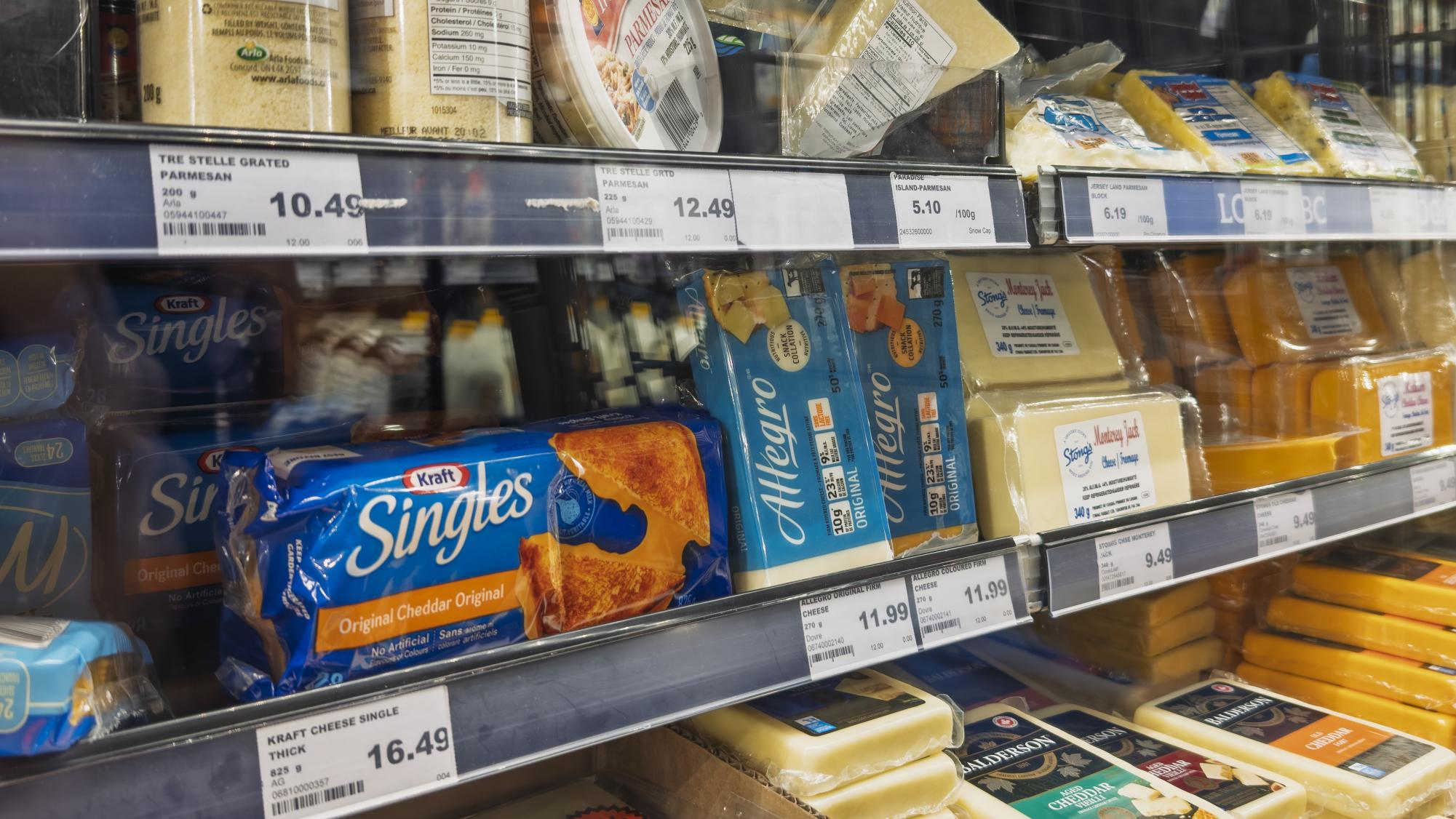
As a result, Stong’s has strengthened its efforts to source more products locally while continuing to carry U.S. goods, as this is vital for providing consumers with a wide selection of products. But when tariffs increase the cost of these U.S. goods significantly, retailers such as Stong’s must decide how much of that spike to absorb and how much to pass on to consumers. The employee said businesses have to work tariff-related increases into grocery prices while judging “where the market will allow” those prices to go.
Higher prices are also being noticed by St. George’s students living at Harker Hall. Harker Hall, the school’s boarding residence, is located on the St. George’s Junior School campus on West 29th Avenue, just a short walk from Stong’s on Dunbar Street, making the grocery store one of the most convenient grocery options for campus residents.
“Stong’s is too expensive now,” one Grade 12 Harker Hall student said. “Last Sunday, I bought some ingredients to make carbonara and it cost $100.”
For boarding students who frequently rely on the local store for groceries, snacks, and everyday supplies, rising prices can have an especially noticeable impact.
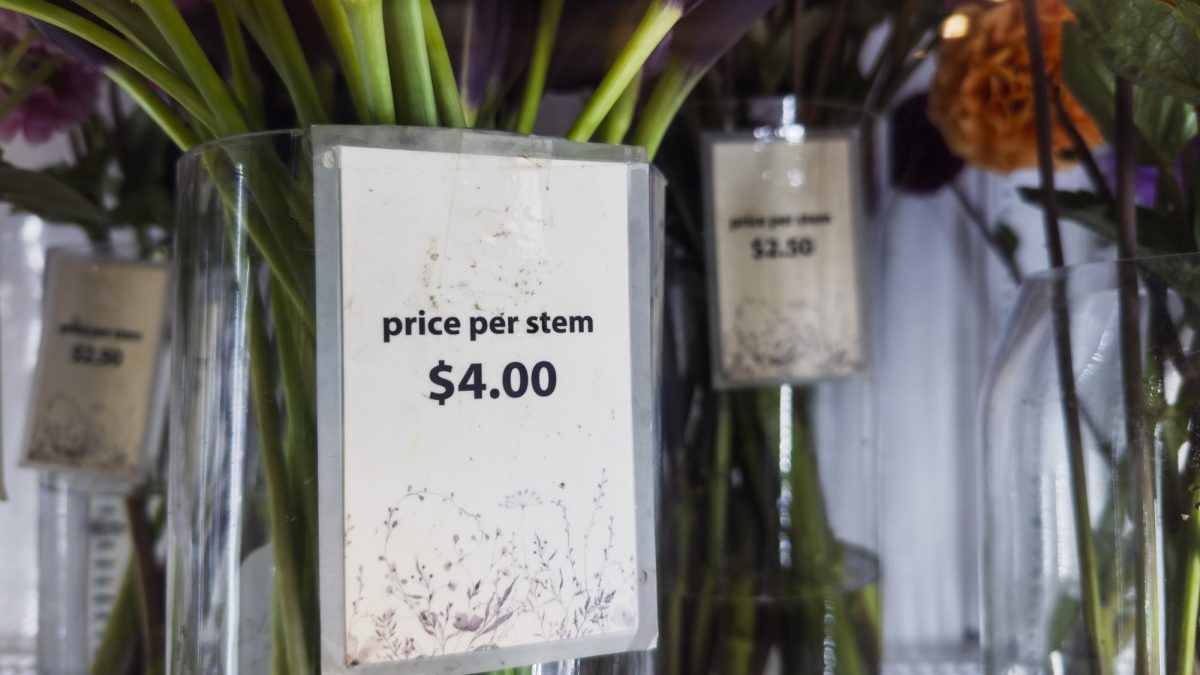
For a different employee working in Stong’s floral department, the consequences of the recent trade dispute have been even more noticeable.

“We used to send flowers to America,” said the worker. “But now we can’t because of the tariffs.”
Stong’s had previously sold flowers to customers in Washington state with its partner at United Flower Growers, a floral supplier in Burnaby and the largest of its kind in North America. But the Stong’s florist said those shipments have stopped completely. For an industry that prioritizes freshness, the number of practical markets it can serve is limited by distance and shipping time. The recent tariffs have motivated Stong’s to search for new, more practical customers outside the U.S.
For businesses in Dunbar, the newly imposed tariffs have increased operating costs, forced some to reconsider suppliers and, in some cases, pushed them to search for new customers outside the United States.
For local residents, the effects may be most visible through higher price tags and a growing interest in products carrying a “Made in Canada” label.