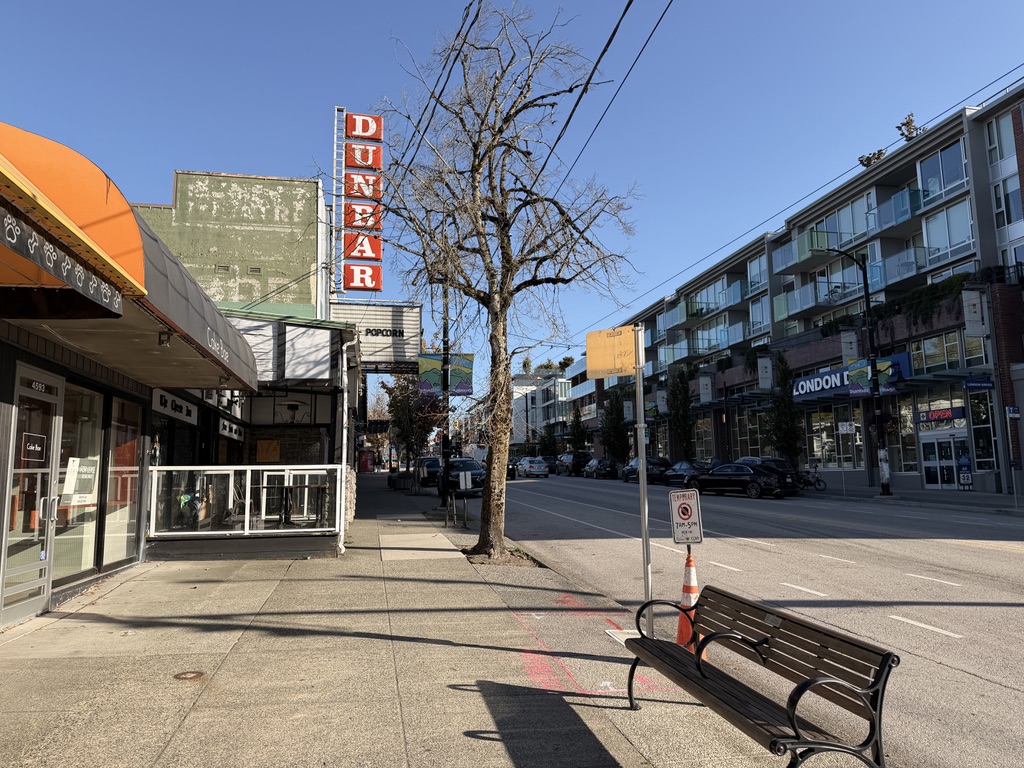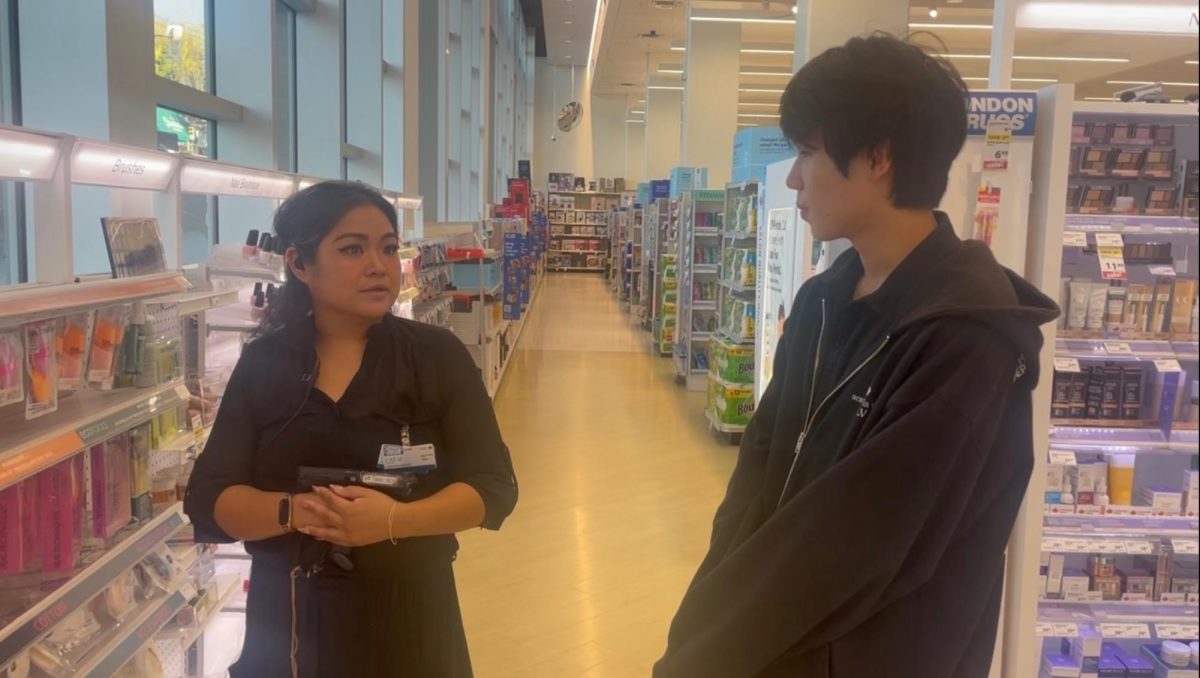


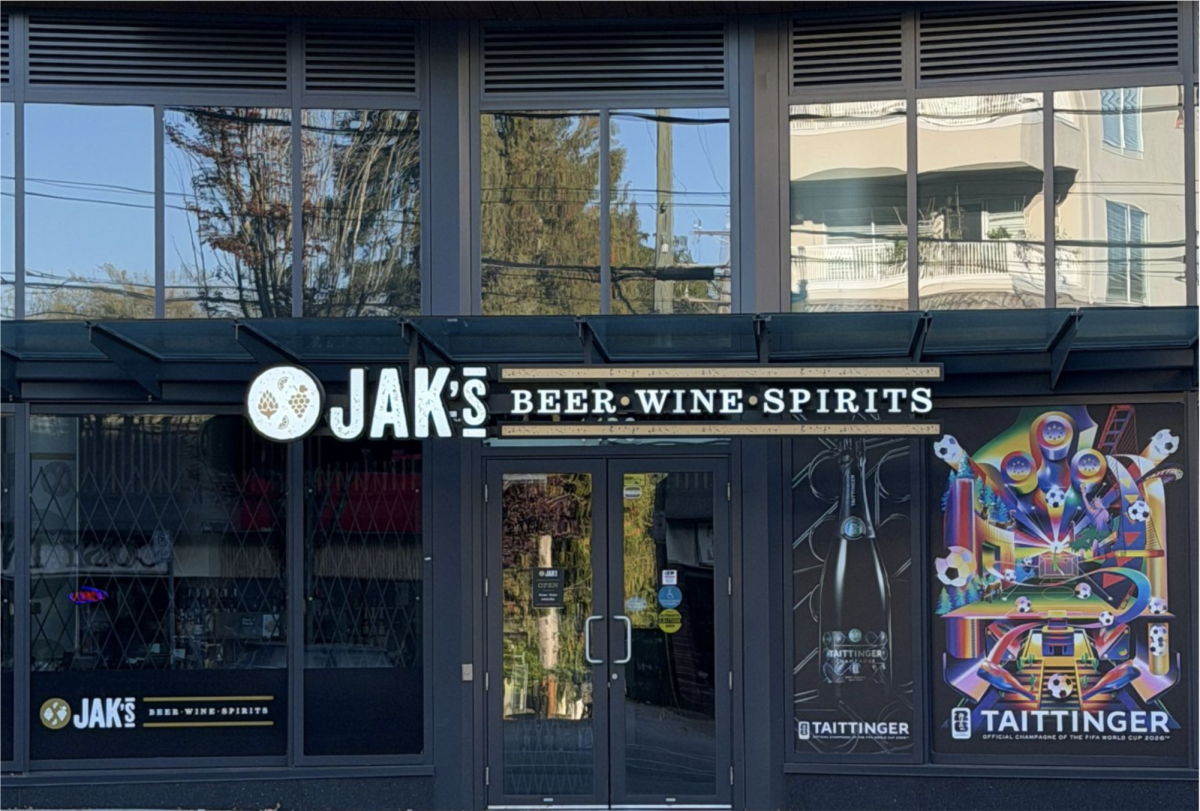
At Jak’s Liquor store on Dunbar, the shifting economic landscape is being felt by staff. In a recent interview, employee David noted that while overall “business is slowing” and the price of American liquor has been steadily rising due to federal liquor tax inflation and mounting tariffs, the financial pressure has not caused significant disruption in business.
The Canadian alcohol industry is adapting by relying less on US liquor and pivoting towards domestic brands to combat the tariffs. As a whole Jak’s relies heavily on a small cadre of regular customers who pay little mind to gradual price ramps. With this in mind, the business remains relatively unaffected from the economic situation affecting the industry.
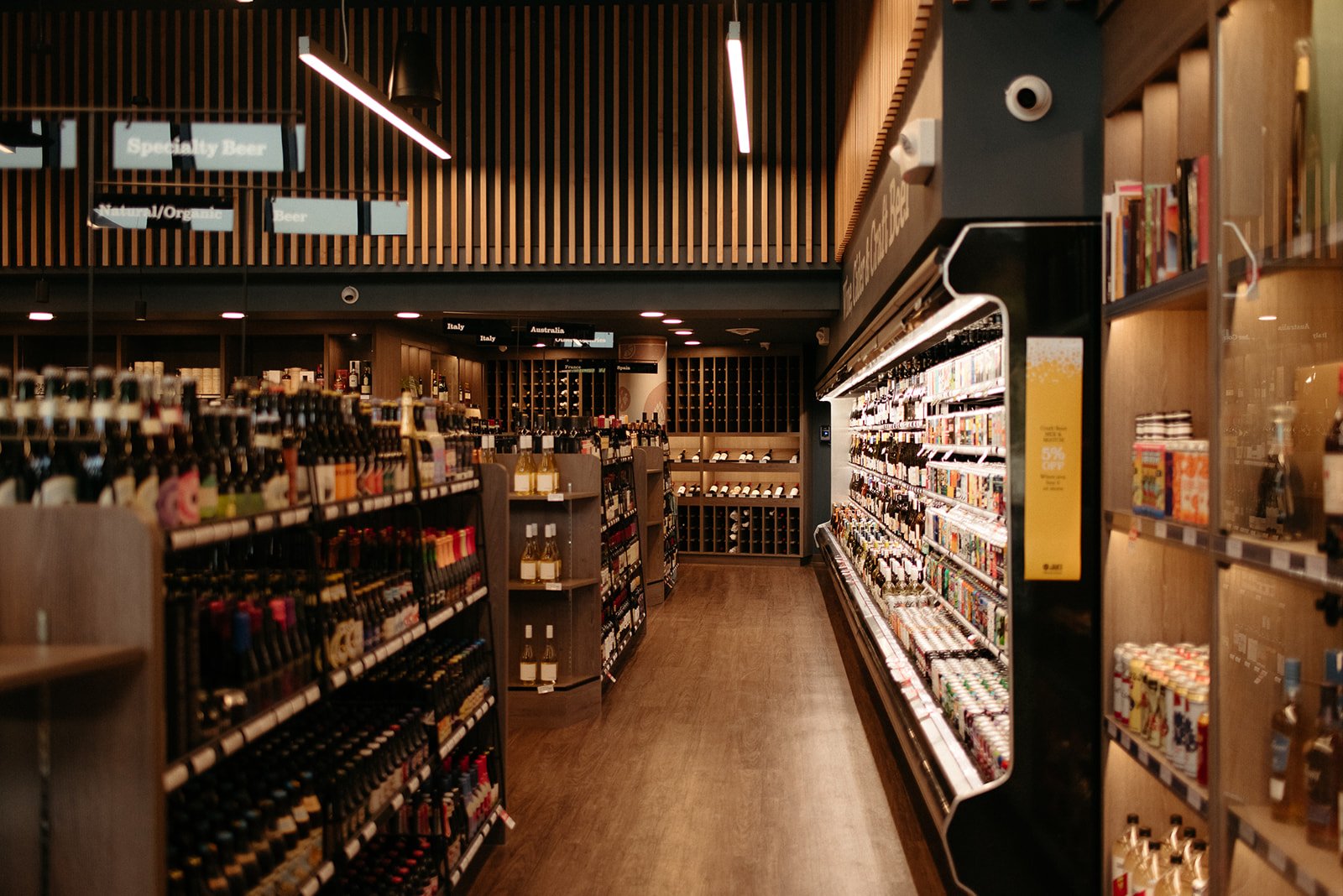
When it comes to daily store operations, particularly identifying underage buyers, David relies on the combination of careful observation and proactive customer service rather than digital verification, claiming “We always tend to want [sic] and look out for any new customers. If you look anything under 35 we’re going to ask for their ID”.
Liquor stores can legally scan IDs under reasonable suspicion but we’ve discovered that Jak’s chooses not to use a scanner. Instead, they rely on two pieces of physical identification and staff intuition to seek out underage individuals.
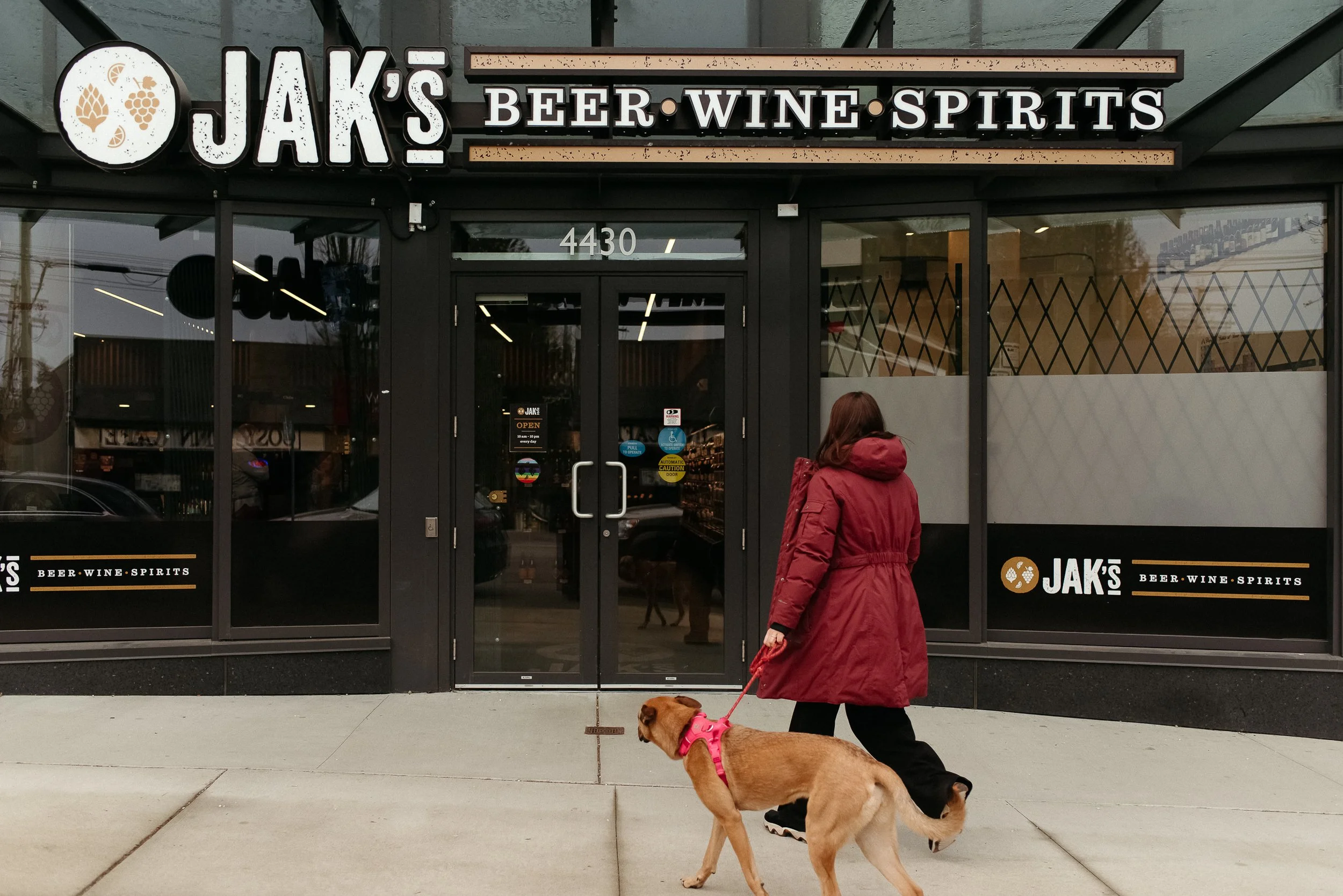
Staff actively monitor and profile customers, offering assistance even when unwanted. If the customer declines, then the employee will still observe from a distance. While fake BC Ids are easily spotted, out-of-province or country identification poses more of a challenge. To combat this, staff are trained to focus on key facial indicators like the eyes, ears, and nose. Texture and placement of logos is also a good indicator of authenticity. This hands-on approach recently proved effective when an underage girl attempted to purchase alcohol using her friend’s genuine ID; staff easily recognized the discrepancy, resulting in the ID being confiscated.