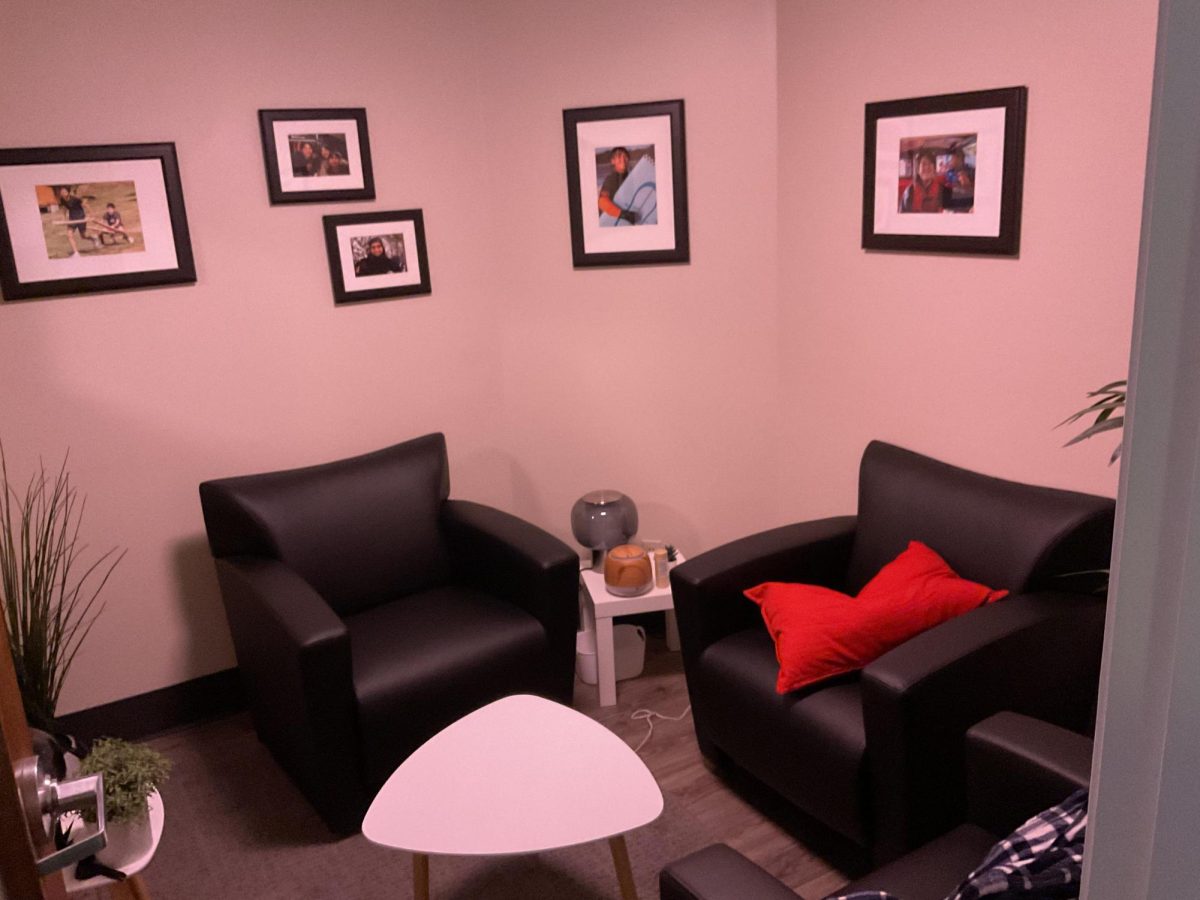
School counsellors at St. George’s are stepping outside of the Learning Commons and into Harker Hall, introducing a new initiative to connect with boarding students outside of the busy school hours.
Led by personal counsellors Ms. Coburn, Ms. Jones, and Ms. Wong, this recently started program aims to make counselling services available for students right at their doorstep. Between all the academic pressures and extracurricular commitments, the work-life balance is only getting more and more complex.
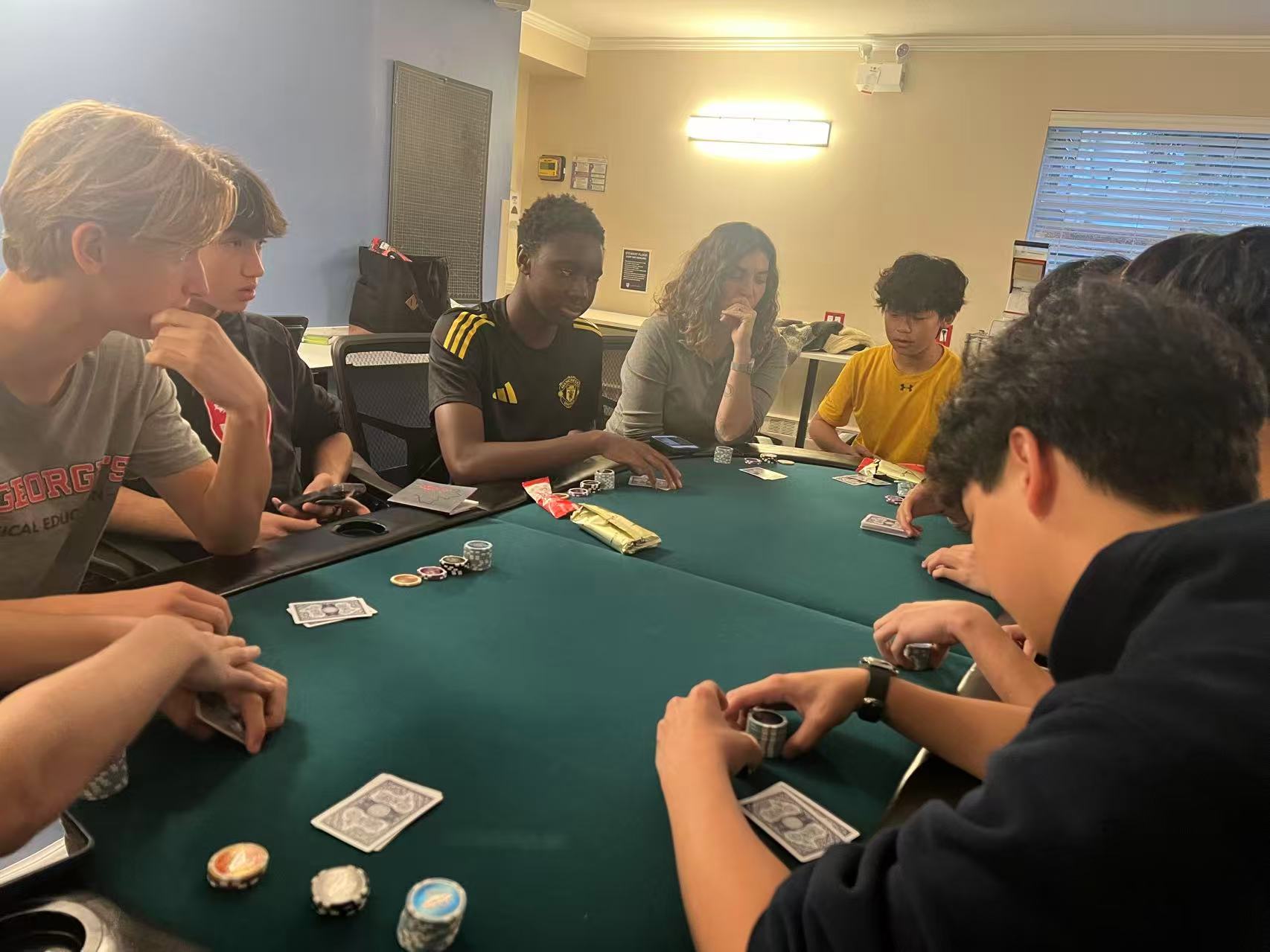
“I want to [book an appointment], but since uni apps take up my day, and I live at the school, I really can’t find the time,” says one twelfth-grade boarder.
Last year, a similar initiative took place when Ms. Jones visited Harker Hall to meet the new students. After multiple requests from students to meet other members of the counselling team, the program has expanded to become more official and include the rest of the counselling team. Boarding students have access to counselling services during the school day, but evening sessions provide a more informal and convenient setting to talk about more personal matters.
Finding a time that works for all parties has proved to be challenging, however. The program is set to occur on Wednesdays and Thursdays from 5:00 to 6:45 pm., but many students are busy with after-school activities, and consequently, few are able to take advantage of this time. Although later sessions can accommodate more boarders, Ms. Coburn and Ms. Jones expressed the difficulties in extending their already long working hours.
“It’s hard, ‘cuz that would be an ideal time, but we’d have essentially 12-hour workdays,” Ms. Coburn replied when the new time was proposed.
To accommodate the time constraints, the counsellors proposed a monthly late session to test how different hours would affect participation. Some boarders suggested holding the session during dinner hours, but the counsellors expressed concern about disrupting students’ social time.
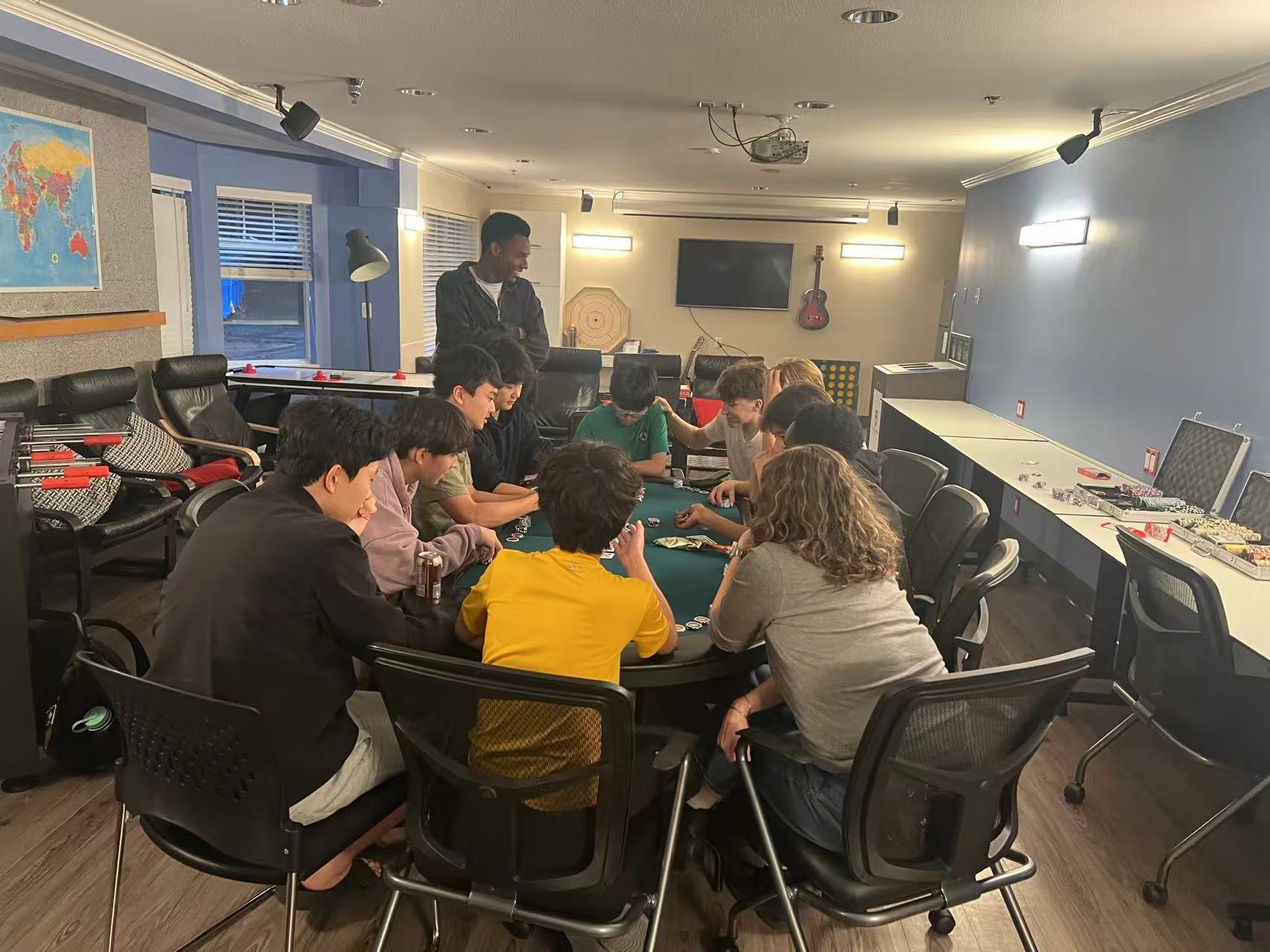
Though a large number of students showed up to the first session, the counselling team is confident that they can increase student awareness. Only one session has occurred at the time of the interview, and new students were required to attend, making student attendance largely untested. The counsellors are opting for clearer communication to address confusion and encourage participation for next week.
In hopes of a more accessible and supportive boarding community, the counselling team plans to continue this program until December, when they will survey student feedback to determine if the program remains a part of boarder life.