
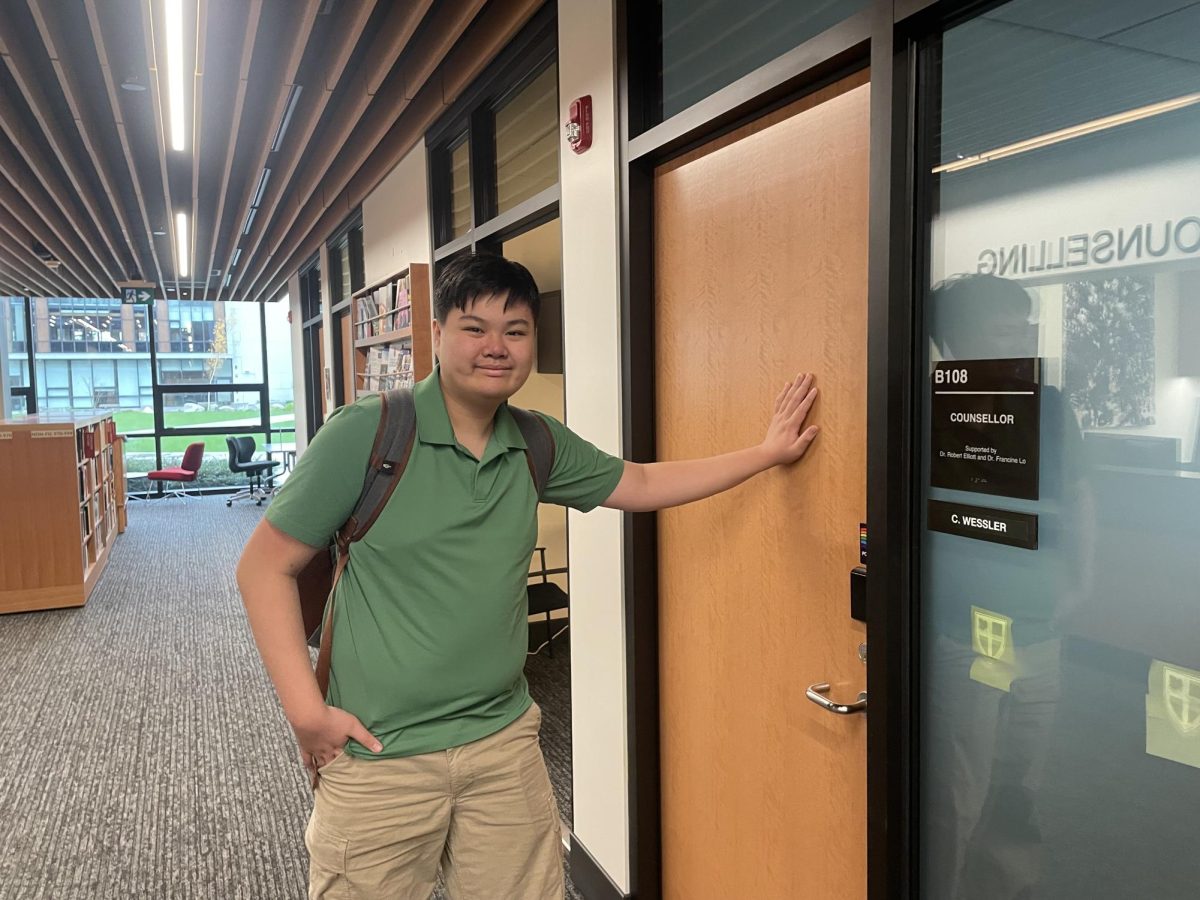
With the November 1st Early Decision deadline for US universities days away, two curious reporters wanted to better understand how applicants felt as they entered the final 48-hour window. Many of these applicants spent many of their summer months in preparation for what some would say is the most important deadline of their lives. To shoot this myth down, here’s a statistic.
A peer-reviewed study by economists Stacy Dale and Alan Krueger found that, after controlling for students’ backgrounds and the colleges they applied to, the earnings advantage associated with attending a more selective university fell substantially and was generally statistically indistinguishable from zero.
Now, one might wonder why students apply early if they have less time to refine their application. However, when we asked students what incentivized them to complete an early application, the answer was quite straightforward. As Osborn Song 27′ responds, “Who doesn’t want better chances, right?” This proves to be true, as statistically many selective colleges and universities have significantly higher acceptance rates for the early application pool compared to regular decision app
licants. There are two common early application streams that both share the November 1st deadline: Early Decision (ED), which is a legally binding contract to attend if accepted, and Early Action (EA), which is non-binding. You can only ED for one school, usually your top choice, which might seem quite restrictive at surface level, but as Osborn explains, “I know a lot of people that are just genuinely really interested in one specific school; they resonate with their cultures, their values, their student body, and really see themselves reflected in that university.”
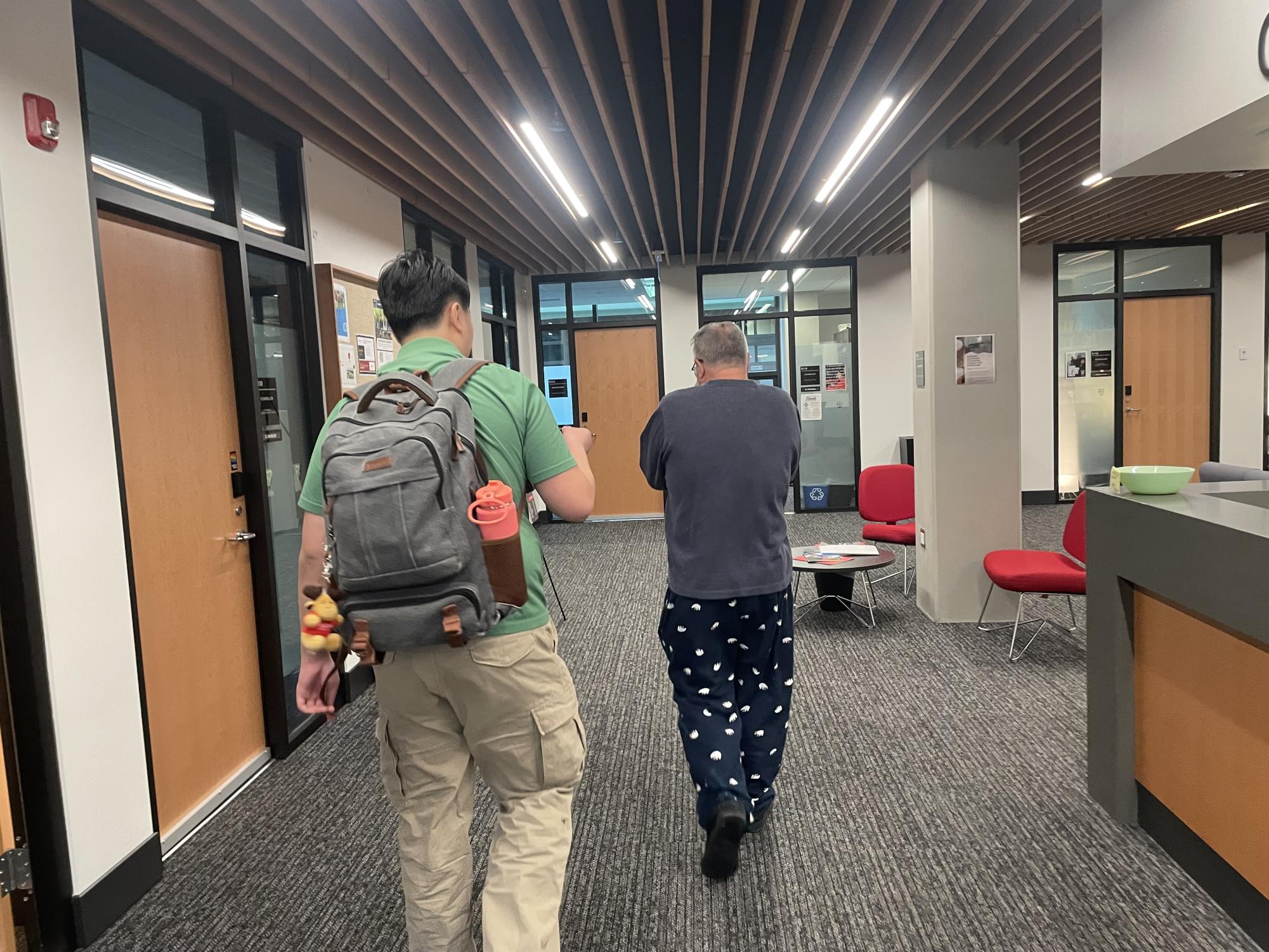
Preston She ’27 provides an extremely introspective reflection on what drove him to click that submit button early: “I don’t think any single school hold particular value over others”; rather, he proves that optimism can turn any university acceptance result into a positive experience: “at the end of the day, the value I see in university is meeting a community with a diverse group of people, and taking advantage of the resources that are there.”
Because Preston spent the last month of his summer break already preparing for application season, he figured the benefits outweighed the drawbacks, and he might as well “Throw [his] name into the hat.” For grads like Preston, they realized that no matter how early they started their application, they would always finish right before the deadline, because, of course, there is always more to edit and refine as they continue their journey to rediscover themselves through writing. Some students found their university counsellors to be successful guides in informing their creative process, with Preston noting, “The review process with my university counsellor was eye-opening, because things that I had lived with for 17 years, I found that I have to explain that to people.