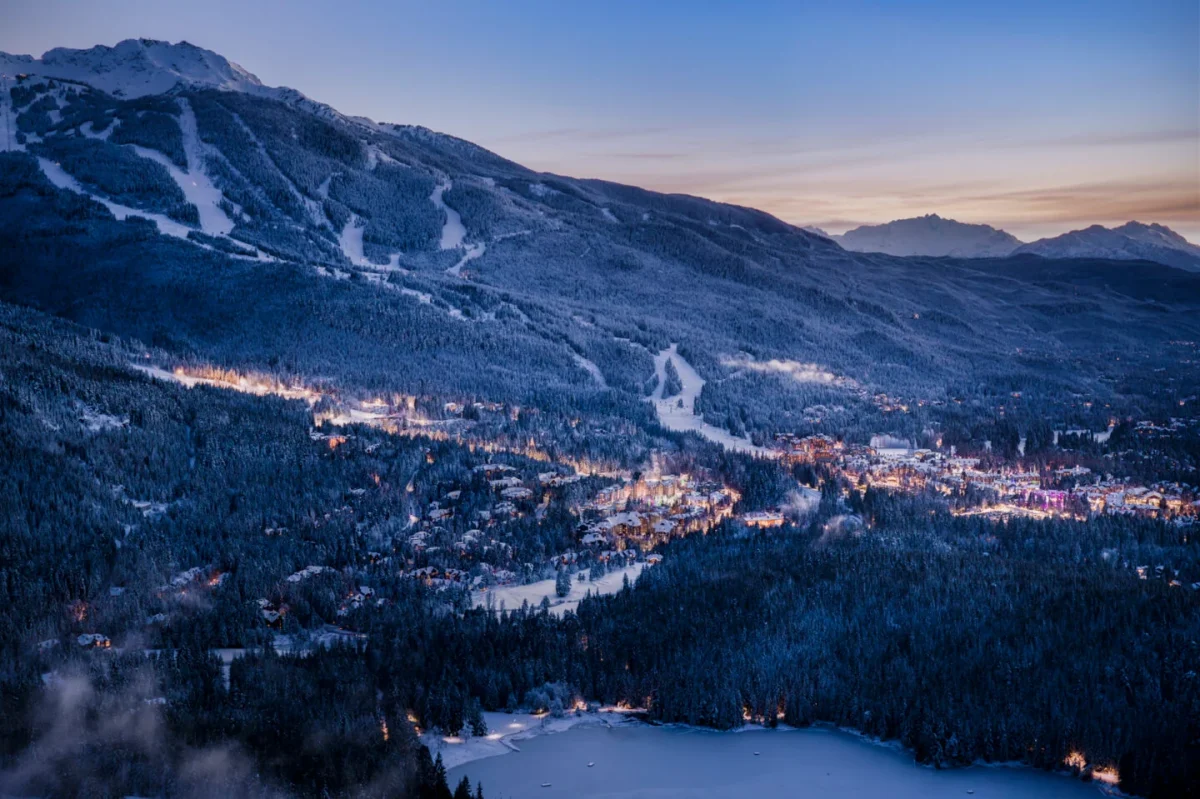
Many winter sports enthusiasts are worried about the so-called “Super El Niño” sweeping across the West Coast. Whistler Blackcomb, the largest ski resort in North America, although sticking to its original opening day of Nov. 20, only has one run open at the moment and is heavily supported by artificial snowmaking machines. Ewan Philp, Class of ’27, who lives in Whistler during the summer and most of the winter, said when asked for a statement, “It is outrageous, the prices we pay when year in and year out there is little to no snow!” This sums up the thoughts of many Whistler locals. Adults can expect to pay $1,700 CAD for a season pass or $309 CAD for a day pass in the 2026-27 winter season.
The El Niño-Southern Oscillation (ENSO) is a climate pattern that meteorologists use to help predict seasonal weather trends, including temperature and snowfall. Years are typically classified as either El Niño, La Niña, or neutral conditions. El Niño is associated with warmer-than-average sea surface temperatures in the tropical Pacific Ocean, while La Niña is associated with cooler-than-average temperatures, according to Smithsonian Magazine. Many of Whistler’s low-snow seasons have occurred during El Niño years.
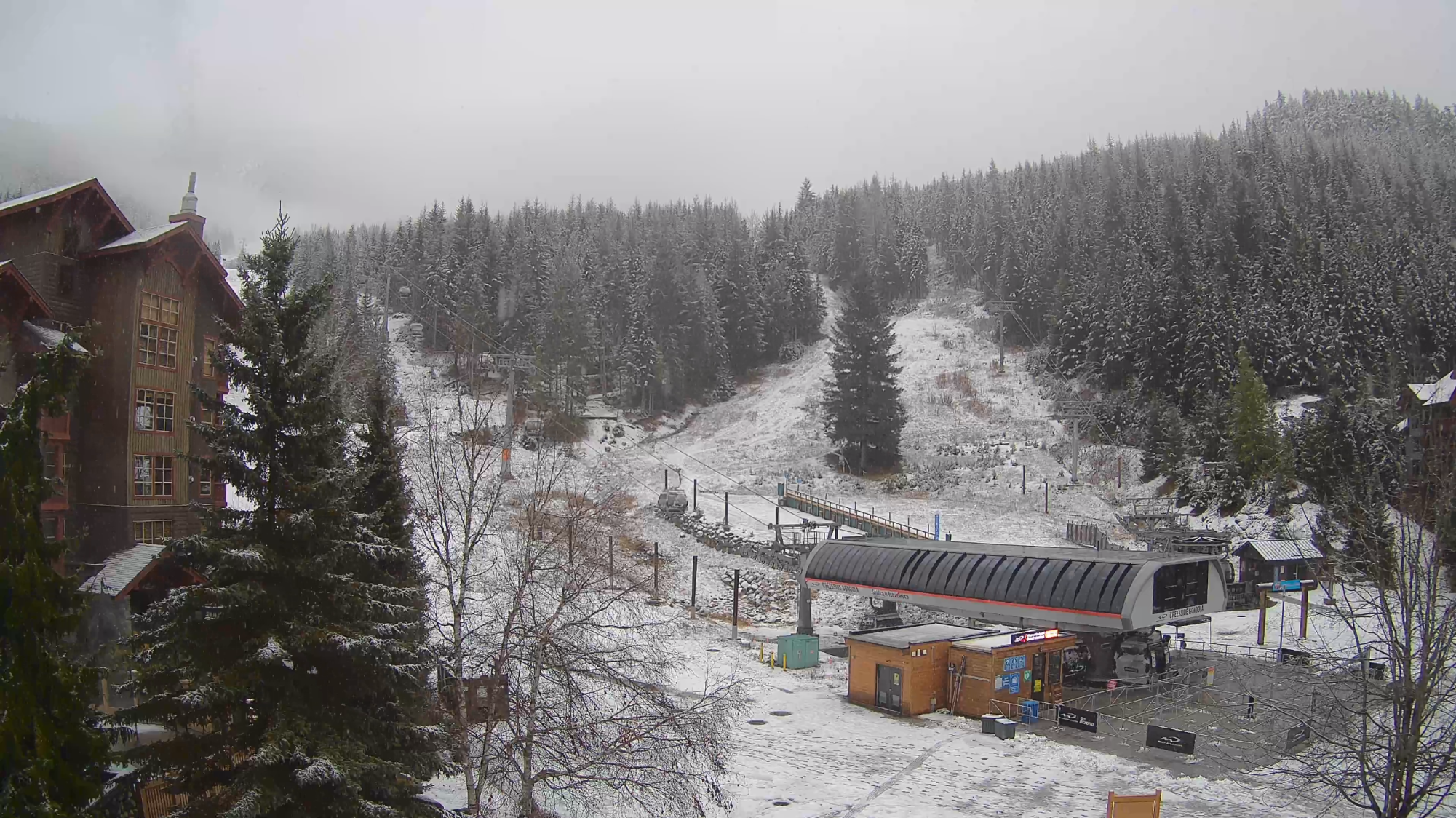
In Whistler, El Niño typically affects the early season because of higher freezing levels. By January, however, Whistler visitors and locals may even see an increase in snowfall. This can occur when moisture associated with Pacific storm systems combines with colder winter air, resulting in heavy snowfall at higher elevations.
Whistler might be able to scrape through due to its high elevation, but what does this mean for the lower mountains that are closer to home? Many Vancouverites rely on Seymour, Cypress, and Grouse Mountain as affordable and convenient skiing options near Greater Vancouver. Under El Niño conditions, freezing levels are expected to rise to higher elevations, and the local mountains may struggle to open at all. Meteorologist Nathen Gillet said, “It’s going to be warmer than average across the country. That’s particularly the case on the coast of B.C.; there’s a high chance of it being mild here this winter.”
During this year’s El Niño event, freezing levels are expected to rise to approximately 1,300 metres. The local mountains only reach that elevation near their peaks, while their bases sit at approximately 900 metres. This is potentially catastrophic. Even if there is a fortunate snowfall event, rain will likely wash much of the snow away quickly.
Last year, Cypress Mountain, one of the host venues for the 2010 Winter Olympics, did not open until Dec. 20, the latest opening day on record.
This year appears to be no better and could potentially be even worse.
Mount Seymour and Grouse Mountain have projected opening dates of Dec. 20 and Dec. 19, respectively. All three mountains will have to rely heavily on artificial snowmaking machines to help make up for the lack of natural snowfall, but it simply is not the same as real snow. In order to preserve profits, some mountains, such as Grouse, have continued offering traditional summer activities like the Grouse Grind, as they did last year.
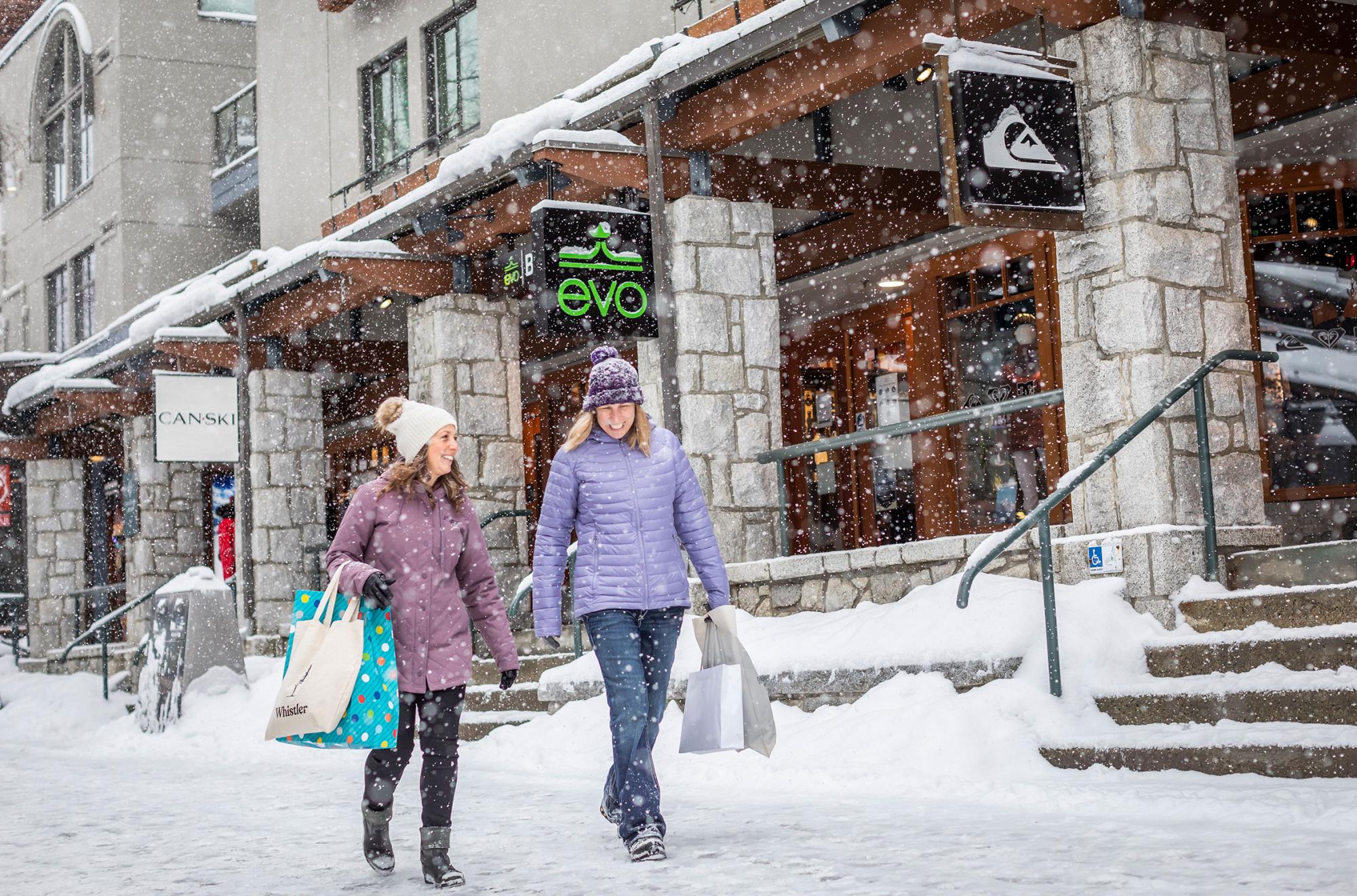
The biggest impact of the lack of snow, however, will be the economic one. Fewer people will be skiing and traveling to Whistler for a snowy getaway. This, therefore, will result in shops selling less gifts, ski gear, and food losing revenue. Many shops in Whistler are locally owned and employ and serve locals. Not only will these small businesses suffer, but Whistler Blackcomb (WB), as a resort, will as well. WB employs approximately 10% of Whistler’s population of 15,000. Joanna Grealish, in Canada’s POW Magazine, wrote, “Every snowflake that falls is a business opportunity. With a total of 1,104 employees, Whistler Blackcomb’s estimated annual revenue is approximately $300 million.” According to the Resort Municipality of Whistler, total annual consumer spending reaches $1.44 billion, with 85% of that spending generated by visitors. “Snow ultimately fuels the thriving economic engine that sustains the Whistler community and beyond.” If snowflakes are not falling, that revenue figure will likely drop significantly.
Whistler Blackcomb and the local mountains are likely to suffer financially from this year’s El Niño event, and climate change will likely ensure that this is not the last time this happens. However, the weather is not something that is within our control. Mountain ski resorts operate in a highly weather-dependent industry, but that does not mean people do not rely on them for employment or even just for enjoyment. As a result, a poor snow season could affect not only skiers and snowboarders, but also the broader communities that depend on winter tourism.
Feel free to check the Mounten Cams of Whistler as we watch in anticipation to see how this season turns out.
Mountain Cams | Whistler Blackcomb